 One of the most important
ways to protect your DSLR lens is by using a high quality protection
filter. Our ProMaster digital HGX filter is the perfect partner to keep your lens shielded from dust, dirt, grime
and fingerprints. Its colorless
design won’t impact your images in any way other than to protect it from the
elements. The REPELLAMAX™ element resistant coating is exclusive to ProMaster
and protects your lens while making sure your images remain tack sharp. Pick up yours today!
One of the most important
ways to protect your DSLR lens is by using a high quality protection
filter. Our ProMaster digital HGX filter is the perfect partner to keep your lens shielded from dust, dirt, grime
and fingerprints. Its colorless
design won’t impact your images in any way other than to protect it from the
elements. The REPELLAMAX™ element resistant coating is exclusive to ProMaster
and protects your lens while making sure your images remain tack sharp. Pick up yours today!
Showing posts with label Promaster. Show all posts
Showing posts with label Promaster. Show all posts
Wednesday, November 6, 2013
Get this Fabulous Filter for Holiday Photography:
One of the most important
ways to protect your DSLR lens is by using a high quality protection
filter. Our ProMaster digital HGX filter is the perfect partner to keep your lens shielded from dust, dirt, grime
and fingerprints. Its colorless
design won’t impact your images in any way other than to protect it from the
elements. The REPELLAMAX™ element resistant coating is exclusive to ProMaster
and protects your lens while making sure your images remain tack sharp. Pick up yours today!

Tuesday, November 5, 2013
The Perfect Accessory for Portrait Photography

Learning to use available light in any situation is a skill
that takes patience, creativity and practice. It is also one of the most valuable and rewarding skills to
harness as a photographer. One
thing to remember is that it’s better to follow the light than to fight it; if
you first identify where the light is coming from and how it falls, you can
then decide how to best utilize it for your purposes.
Having a few tools to manipulate light helps as well. For example, the ProMaster ReflectaDisc5 in 1 Plus kit is the perfect light-taming tool to keep close. Its versatile style can be used both
indoors in studio or outside for field shooting and includes silver, black,
white, gold and translucent reflectors. Whether you need to simply diffuse
available light or warm up skin tones, this kit will help you best use the
available light for your purposes. It also includes an 18% grey panel to help
establish optimum white balance.
Everything’s wrapped up nice and tight in the carrying case.
Monday, November 4, 2013
The ABCs of LED Lighting
While
many photographers have grown up – and grown comfortable – shooting with
traditional electronic flash units, a growing number of shooters are finding
that LED lighting provides some advantages
 |
| Promaster LED VL380 |
Unlike
traditional photographic lighting based on flashes, LED lights are ‘always on’
and provide constant illumination.
Having a continuous LED light source may prove beneficial to your
subjects when shooting. When using
traditional flash, your subjects’ eyes will continually respond by dilating and
constricting due to the flashes of light.
This continued impact of light can result in headaches and can become
generally uncomfortable. It can
have an impact on expression and overall mood over time.
LED
Lights have also proven themselves to be extremely versatile for photographers
that work on both still and video projects. The right LED light can move between portrait photography
and product video promotion as part of an overall lighting strategy.
The
ProMaster LED Studio Light VL380 can be the perfect partner in your venture
into using LED lighting. You can
get yours here, just in time for Thanksgiving family photos.
Tuesday, May 28, 2013
Taking Your Show on the Road
One of the best ways to celebrate summer’s arrival is with a
road trip. With the expense and
hassle of traveling by air, packing up the car for a weekend adventure is an
increasingly popular alternative.

All great road trips require a bit of planning. Our camera gear is often an
afterthought, but with a little preparation, you can be ready to capture all
the great moments during your holiday.
Location, Location,
Location: Where you will be
traveling and what you plan to do will make an impact on which items you’ll
need to pack in your camera bag.
For example, will you be in the countryside enjoying nature? This means
packing your macro lens would be in order so that you’re ready to capture
blooms and bugs. Or, if you’re
going to be spending time in a city or hill country locale, using a
multipurpose lens such as a 70-200 or a 28-300 might be all you need.

You’ll also want to consider how much walking you’ll be
doing during your holiday. If you
plan on having three kids in tow and walking in a variety of terrains, less is
more in this instance. You’ll also
want the right bag to handle being on foot for much of the day. Don’t have one? Check out our extensiveselection of quality bags, perfect for your next trip!
Often Overlooked, But
Oh So Important: Smudged or
hazy images are often the result of a dirty lens. Don’t let a stray fingerprint or dust ruin your vacation
photos. Keeping a compact cleaning kit in your bag is an easy way to keep your gear in tip top condition. We know you want to use your shirt to
clean your lens but don’t risk scratching your glass. Use a microfiber cloth designed for lens cleaning. Our compact cleaning kit takes up
minimal space and will come in handy – trust us!
Take Your
Tripod! There’s a reason that we regularly promote the use of a
tripod. A quality tripod can
greatly affect not only the quality of your images, such as eliminating camera
shake by providing stability, but a tripod can also expand the kinds of images
you are able to shoot. It can help
you shoot locales and people with a kind of flexibility that you may not enjoy
with strictly handheld shooting.
We have a variety of styles, designed for every trip and budget. Check out our impressive array of choices here.
Storage Solutions: Camera image files continue to
grow, demanding more and more space on our camera cards. Make sure that you’ve tucked away an extra
media card (or three) so that you’re free to shoot away without worrying about
running out of space. Our
ProMaster media cards are known for their lightning fast read/write speeds and
quality construction. Pick up a
couple before you hit the road.
Tuesday, May 21, 2013
Make Macro Magic this Season
With
warmer weather finally here, it’s time to take our cameras in hand and head
outdoors. Nature photographers
rejoice as we find our surroundings flourishing and endless opportunities to
capture the splendor of spring.
It’s also an ideal time to experiment with macro photography. Macro photography is essentially taking
the size of your object in an image and enlarging it to several times (such as
5x) life size.
Ladybugs,
bees, tiny creatures atop flower petals and leaves are all amazing subjects to
capture from a macro standpoint.
Another benefit of shooting macro is the fact that you will have a
shallow depth of field with this method, so clutter or background issues will
have less of an impact than they would in traditional photography.
Here
are a few tips to make your macro photography magnificent:
Try Texture: One of the most powerful aspects of
macro photography is how textures are magnified to complement your subject or
add interest to the background.
For example, the fine hairs on a bumblebee will be magnified and the
texture of the insect’s body will immediately draw the eye. You can also use the texture of a leaf
or flower to provide contrast to a smoother subject, such as a ladybug. Combining textures works
beautifully in nature and it also makes for stunning macro images.
Delight in the Details: Macro photography brings the smallest of details to
the forefront, so it’s important to consider this when deciding what to
photograph. For example, a blemish
on a petal might not be noticed in a standard shot but a macro image might
enhance it to the point of it impacting the overall effect. A practice snap or two can help you
decide if an issue is really an issue at all.
Experiment with Focus: Consider shooting with a larger lens aperture to throw a
portion of the scene or subject out of focus. This technique provides some artistic play and will lend a
different feel to your images. You
can reposition yourself to determine which portion of the subject looks best in
soft focus.
Learn Lighting Tricks: As with all other forms of photography, learning how to
manipulate available light is an important skill. For example, with macro photography, using front light will
result in more intense color saturation whereas side lighting is perfect for
those instances where you wish to showcase texture. Playing with your position with respect to available light
can have a substantial impact on your final image.

Your
macro lighting can also be helped along with our ProMaster LED 120 Camera/Camcorder light. This model accommodates
cameras and camcorders and can help you achieve well-lit photos and video with
more natural color. The continuous light source eliminates the red-eye effect
caused by your camera's flash and helps you get sharper pictures by providing a
good source of illumination for your camera's autofocus system.
 Your
LED120 will have the perfect partner with our ProMaster articulating mounting arm. This handy accessory allows you to mount LCD panels and microphones on
your DSLR for cinematography and has double ball heads to provide complete control
over positioning. You can even use the arm to mount another small camera on
your current camera to gain a new perspective.
Your
LED120 will have the perfect partner with our ProMaster articulating mounting arm. This handy accessory allows you to mount LCD panels and microphones on
your DSLR for cinematography and has double ball heads to provide complete control
over positioning. You can even use the arm to mount another small camera on
your current camera to gain a new perspective.Monday, February 21, 2011
Little Things that Make a Big Difference:
When it comes to shooting in the field and on the go, there are a few little accessories that can make a huge difference. For example, how often have you wished you had a remote trigger release in your bag? Or maybe you keep meaning to get a flash diffuser to help soften the light when you’re shooting? We have an array of great accessories that can help you get the perfect shot: www.FortWorthCamera.com/Accessories


Sunday, October 17, 2010
The Best Gear for Braving the Elements

We welcome fall for the season’s respite from the sweltering summer sun, but with this lovely season often comes unpredictable weather and obstacles to getting that perfect shot we seek. With a little preparation, however, you’ll find that the outdoors can be a powerful partner in helping you garner some of your favorite photos ever!
Prepare for the Possibilities: Certain parts of the country are more prone to rain than others, but there will always be surprise showers hiding behind those seemingly sunny skies. It’s best to have provisions for rain and moisture tucked away in your bag, backpack or the trunk of your car. Keep a clear plastic bag to cover and transport your gear and keep it safe, along with a towel, compressed air and a lens cleaning kit.
Get a Jacket for Your Camera: The debate on whether dogs should wear sweaters rages on, but we fervently believe your camera should be properly dressed in lousy weather conditions. Our rain jacket is competitively priced and designed to accommodate most SLR and DSLR models. You can access all the controls through two side sleeves and getting the jacket on and off your camera is a snap.
Choose Gear that Weathers the Weather Well: There are many photography products designed specifically to withstand the rigors of temperamental Mother Nature. For example, our new AWXC Red Card (available in CF and SDHC) is an ultra high-speed memory card designed to be waterproof, shockproof and specifically designed for use in extreme temperatures. If your outdoor events include rain, sleet or snow, this media card will protect your images because it’s designed for use in difficult weather situations. Another bonus? These cards are manufactured in the U.S.A.
Protect Your Lens: We’ve all had those cringe-worthy moments when we realize that we’ve touched our lens or inadvertently bumped into something with our lens bearing the brunt of the collision. We have a new protective filter designed specifically to protect your lens from smudges and the elements. The PROMASTER Digital HGX Protection filter is a crystal clear colorless filter with second generation advanced anti-reflective coatings designed especially for use with digital imaging sensors. The HGX filters have the exclusive REPELLAMAX Element Resistant coating which repeals moisture, dust, and fingerprints. Try the fingerprint test to see how well it works!
Don’t Forgo the Tripod: Fluctuating weather conditions don’t always require keeping your tripod at home, especially for those sporting events and other situations where stability and positioning are critical to getting the best shots. Our new Classic Combi Tripods have sealed leg locks designed to resist moisture, sand and grit, so if you if you’re looking for a tripod that can take on any outdoor adventure, consider this one.
Tuesday, August 17, 2010


Wednesday, August 4, 2010
Tips for Traveling Light with Photo Gear
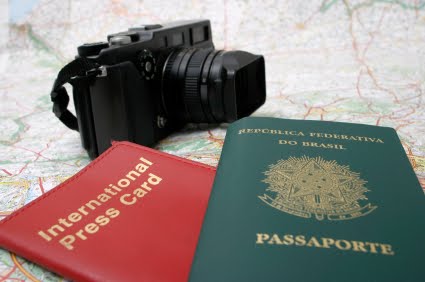
Whether it’s a weekend getaway or a two-week trek across the pond, packing right—and light—is critical to making your trek a success. After all, who wants to lug a bunch of superfluous gear around? Here are a few tips to ensure your gear bag is light, well-equipped and ready to travel:
Think it Through: Imagine your trip for a moment. Think about where you’ll be traveling. Do you need to take your DSLR with you or will your compact camera suffice? Do you really need that extra lens or can you do without it? Making a mental checklist of your itinerary can help you decide which items you need and which can be left at home.
Remember the Essentials: Make sure to pack a lens cleaning kit, extra batteries, your charger and extra storage media. These items alone will help you combat the majority of issues that might occur while you’re on holiday.
Choose the Right Bag: Traveling light means choosing the right bag for the situation. Would a backpack style help you get through the airports more easily, or is something with wheels that can also accommodate your other items be more appropriate? We’ve got designs that fit every need and budget here:
Offloading for Longer Trips: If you’re traveling with your laptop, consider offloading your digital pictures on a regular basis. This technique can serve as protection in case your media card is somehow damaged or fails during your trip. Here’s another great solution—take your card to the local photo retailer and print a set or two before your return trip home. You’ll have one less item on your to-do list and your family will enjoy looking at the photos and reminiscing on the return trip. You can even use the pictures as a mini-scrapbooking project to keep the kids entertained while you travel.
Keep Everything Charged: Dead batteries mean an instant end to picture-taking fun and a battery that dies while you’re shooting might even corrupt your digital camera card. Fortunately, we’ve got a great solution! The PROMASTER GO! Charger is a compact multi-function charger that can charge your DSLR batteries and also serve as a charger or power source for your cell phone or music player.
Tuesday, August 3, 2010
The One Thing Summer Campers Need to Pack:

If your summer plans include a camping trip or even just a day hike, make sure to pack the one item (other than your camera) that will help you see the sights more vividly. The right binoculars will allow you to fully enjoy the amazing sights nature provides.
Consider our new Infinity EL•X 8x42 ED Binoculars. PROMASTER uses only the finest optical glass in the Infinity EL•X series. Coatings make all of the difference when you want a bright crisp image and PROMASTER has spared no expense here. These glasses feature PROMASTER's EXCLUSIVE TRANSBRIGHT™ 99.3% light transmission coatings for the ultimate in bright, crisp images as well as PROMASTER's EXCLUSIVE REPELLAMAX™ element repellent coatings that aid in keeping your optics free from dust and other environmental elements to ensure you get the maximum viewing enjoyment and capability from your binoculars
In addition to PROMASTER's superior optics and technologically advanced coatings, the Infinity EL•X series binoculars are waterproof, fog proof, and nitrogen filled to make sure that they always perform at an extreme level in extreme conditions.
And if that is not enough...PROMASTER offers our No Fault Lifetime Warranty!
Thursday, May 27, 2010
Could LED Lights Be Best for Your Needs?

If you’ve heard the term ‘LED light’ but aren’t sure what it really means or why you should consider using it in your photography, let us shed a little light on the situation!
LED stands for Light Emitting Diode. This particular kind of light is often used in other arenas, particularly in automotive lighting. Some recent technological developments have made this lighting source an excellent fit for photographic uses as LED lights can give off as much white light as other standard light sources.
LED lights are able to provide a uniform lighting source because the light is clustered in such a way to provide a streamlined beam of illumination. LEDs are very compact and there are no concerns of tubes or filaments breaking, which can greatly complicate a photo shoot. They’re also extremely energy efficient. Another bonus? Because LED lights don’t emit heat, there is little risk of this form of lighting causing or contributing to a fire. And they can save money because they last significantly longer than conventional lighting sources—up to 100 times as long!
When it comes to your photography, you’ll be able to achieve better natural-looking lighting by using a high quality LED light such as some models from our PROMASTER series. These lights are also the perfect accessory to use for your video projects. Here are a few choices to consider, and we have models which be used on-camera or as part of a studio lighting setup. www.fortwortcamera.com
Tuesday, April 6, 2010
Quick Tips for Shooting Spring Sports

Spring has sprung and we are finally enjoying some warmer weather. It’s also time for spring sports, which means ample opportunities for getting great pictures. Here are a few tips to get you in the swing for spring:
Scout Your Spot Early: Figuring out where to stand is critical to getting the best shots because success means being in the right place at the right time. Try to get to the field a bit early to gauge which places are best for shooting the action as it unfolds. Is it possible to get a spot close to first base? Are there items that could obstruct your view? As you start shooting in this environment, you’ll get a feel for the best places to stand, and once you’ve got that down, you should be set for the entire season.
Getting Around the Fence: How many times has the fence proved a formidable opponent to your getting that perfect shot of your child sliding into home plate? Again, a little bit of planning can make all the difference. Play with various locations close to the fence to see if there is a particular angle that will allow you to shoot in the clear. You may also want to consider a monopod for these events as they can be a great asset in helping you shoot from a higher angle, which will not only allow you to secure the shot but also to create images from a new and interesting perspective. Want to learn more about our monopods?
Candid Camaraderie: Sometimes we’re so focused on the action that we forget about those wonderful moments of playful connection and camaraderie between teammates. Keep your eyes open for those high-fives and pats-on-the-back. These moments represent the heart of team sports and lend another dimension to our sports photography library
Scout Your Spot Early: Figuring out where to stand is critical to getting the best shots because success means being in the right place at the right time. Try to get to the field a bit early to gauge which places are best for shooting the action as it unfolds. Is it possible to get a spot close to first base? Are there items that could obstruct your view? As you start shooting in this environment, you’ll get a feel for the best places to stand, and once you’ve got that down, you should be set for the entire season.
Getting Around the Fence: How many times has the fence proved a formidable opponent to your getting that perfect shot of your child sliding into home plate? Again, a little bit of planning can make all the difference. Play with various locations close to the fence to see if there is a particular angle that will allow you to shoot in the clear. You may also want to consider a monopod for these events as they can be a great asset in helping you shoot from a higher angle, which will not only allow you to secure the shot but also to create images from a new and interesting perspective. Want to learn more about our monopods?
Candid Camaraderie: Sometimes we’re so focused on the action that we forget about those wonderful moments of playful connection and camaraderie between teammates. Keep your eyes open for those high-fives and pats-on-the-back. These moments represent the heart of team sports and lend another dimension to our sports photography library
Wednesday, March 11, 2009
Does Size Really Matter?
Well, it should when it comes to memory cards!

All thou is absolutely impossible to know the exact number of images that can possibly fit into any memory card, due to the inconsistency of the size of your image files. You can at least get an idea about what size of Memory Card you should purchase according to your needs. Hope that the following chart makes your decision a little bit easier.

Thursday, September 25, 2008
Wide Angle on a Budget.
 The PROMASTR Auxiliary Wide Angle, is a great alternative to achieving the wide angle "look" for a fraction of the cost.
Features:
The PROMASTER Digital Auxiliary Wide Angle Lens broadens the normal field of view when used with your standard zoom lens. This wider field is perfect for indoor photography where space is limited and for outdoor panoramic photos. This particular lens uses newly designed optical technology to ensure sharp, high-resolution photos with your digital SLR.*
We have tried and found out it works great! See for your self, it makes really makes a difference, notice how much more of the image is capture with the Auxiliary, then with out.


All of this images are taken with a Canon Rebel XS w/18-55 EF-S IS Outfit. The Images on the left are all taken with the Wide Angle Auxiliary, and on the right, with out the Auxiliary at 18mm. All images are shot fully automatic on "P" Mode. And all taken from the same spot and camera angle.
*Product specs and features information have been provided by PROMASTER.
| |
Monday, August 18, 2008
Alkalines or Rechargeables?

Hi guys, Lets talk a little bit about Batteries.
Now more then ever people are asking lots of questions with regards to cost, recycling times and reliability on the life of the batteries and their chargers. And with everyone going green, the PRO AA rechargeables are a great green solution to save the thousands of AA’s from going into landfills every day. Plus they recycle flashes quicker (less wait time between flash shots) and they also work in many more applications that require AA’s. Perfect for Nintendo Wii remotes!!
These are some of the most common asked questions:
I charged my batteries three weeks ago and they did not last long when I tried to use them. What happened?
Rechargeable batteries lose approximately 20% of their charge in just 72 hours in warm conditions. Hot weather will accelerate this discharge. They will be almost completely discharged in 30-40 days. Simply give it a fresh charge before use.
How many times can I charge my NiMH rechargeables?
This varies depending on use and care, but you can expect up to 1000 charge cycles on average form properly maintained batteries.
How long will my rechargeable batteries last?
This varies as well. It is important to remember that the chemical reactions in your batteries are constant, even when you are not using them. The battery capacity will slowly decrease over time; you will lose approximately 10 - 15% after the first 350 charges and so on. You should expect to replace your batteries every few years.
My batteries get very hot during charging. Is this normal?
Yes, this is normal. Batteries can reach 120° F during charging. Your batteries will cool quickly after the charging cycle is complete. Do not install hot batteries into your device. Let them cool to room temperature before use.
How should I store my batteries once they are fully charged?
It is best to store your batteries in a plastic battery case. This will protect them from shock, short circuit hazards, and other damage. Leaving your batteries in your charger can accelerate the discharge. Carrying your rechargeables in your pocket or loose in your camera bag increases the likelihood of shock or short circuit damage.
How do I choose the best charger for my batteries?
Obviously, a quality charger is the most important factor in getting the longest possible life from your rechargeables. You may want a smart charger that can measure the charge in your battery and adjust accordingly. You may also consider a charger with a fan to reduce heat. A fan also increases battery life and reduces charge time. The best chargers will also have multi-channel charging systems (usually two or four) to treat each battery individually. While these chargers are more expensive, they will extend the life of your batteries and save you money in the long run.
But the most concerning question we have lately,(and with good reason!)is:
Are NiMH rechargeables better for the environment than the alternatives?
Yes. When you consider that standard alkalines are discarded after one use, and that NiCads contain potentially harmful cadmium, NiMHs are a good choice.
That is why we invite you to collect all (including alkaline, lithium, NiCad or NiMH) of your used batteries and bring them in to Fort Worth Camera, where we will gladly recycle them properly for you at no charge.
To help do our part, Fort Worth Camera and PROMASTER have teamed up to offer a fantastic recycle progam. Simply purchase a PROMASTER brand Lithium rechargable battery and Fort Worth Camera will warranty it for life* $15 handeling and disposal fee apply.
I want to know more about Chargers and which one is right for me.
*Only applies to PROMASTER brand Batteries.
Subscribe to:
Posts (Atom)